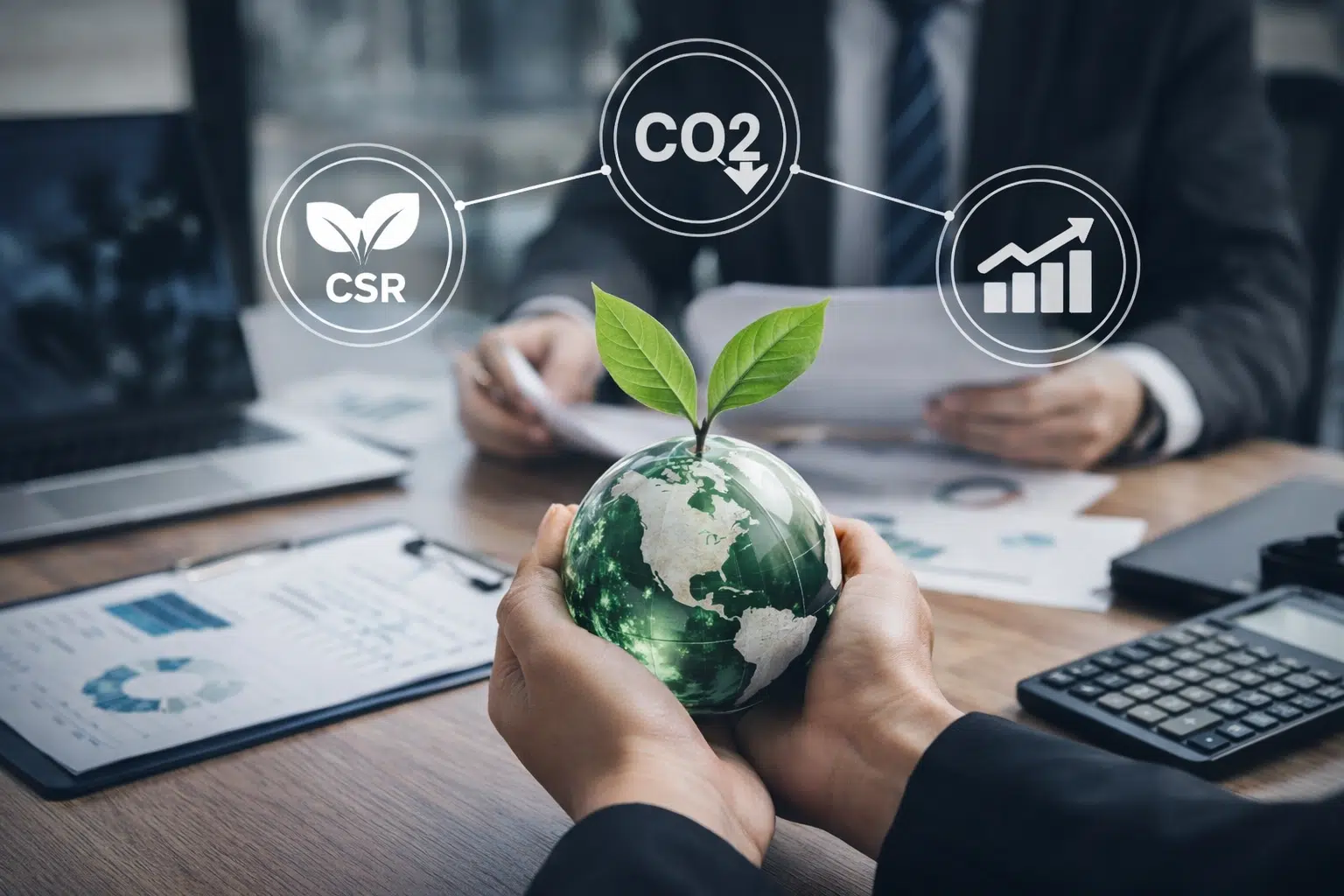



What is the national low-carbon strategy?
The national low-carbon strategy (SNBC) is a public policy framework adopted by france in november 2015 to guide the transition towards a decarbonized economy. It aims to reduce greenhouse gas (GHG) emissions while supporting sustainable development and economic competitiveness. The SNBC sets short, medium, and long-term emission reduction targets and provides guidelines for key sectors such as energy, transportation, agriculture, and industry. It is a crucial pillar for achieving carbon neutrality by 2050, in line with france’s international commitments.
Goals of the national low-carbon strategy
Short-term goals (2025)
By 2025, the SNBC aims for a significant reduction in emissions, with specific targets for various sectors :
- Energy: increase the share of renewable energy in the national energy mix to at least 32%. this includes massive investments in solar, wind, and hydroelectric power.
- Transportation: reduce emissions from the transportation sector by 20% compared to 2019 levels. This involves promoting electric vehicles, developing charging infrastructure, and encouraging soft modes of transport like cycling.
- Industry: improve the energy efficiency of industrial processes by 10% and reduce the use of fossil fuels. Companies will be encouraged to adopt cleaner technologies and invest in circular economy projects.
- Buildings: renovate 500,000 homes per year to improve their energy performance, thus reducing emissions related to heating and cooling.
- Agriculture: encourage sustainable agricultural practices that reduce methane and nitrous oxide emissions, while increasing carbon storage in soils.

Mid-term goals (2030)
The mid-term goals of the national low-carbon strategy (SNBC) for 2030 are as follows:
- Energy: achieve a 40% share of renewable energy in the national energy mix. This will be accomplished through continued investments in solar, wind, and hydroelectric technologies, as well as supporting innovation in new renewable energies.
- Transportation: reduce emissions from the transportation sector by 40% compared to 2019 levels.
- Industry: improve the energy efficiency of industrial processes by 20% and promote the adoption of low-carbon technologies. Industries will be encouraged to use renewable energy sources and invest in carbon capture and storage.
- Buildings: renovate at least 1.5 million homes per year to meet high energy performance standards, thus reducing heating and cooling needs.
- Agriculture: promote sustainable agricultural practices that increase carbon sequestration in soils and reduce emissions.
Long-term goals (2050)
The long-term goals of the national low-carbon strategy (SNBC) for 2050 aim to achieve carbon neutrality, which means balancing greenhouse gas (GHG) emissions with absorptions:
- Carbon neutrality: reduce GHG emissions by 90% compared to 1990 levels, thereby achieving carbon neutrality. The remaining emissions will need to be offset by equivalent absorptions.
- Energy transition: achieve an energy mix where renewable energies represent at least 75% of energy production.
- Transportation: transition to zero-emission mobility, with a fully electric or clean-fuel vehicle fleet and a completely decarbonized public transportation infrastructure.
- Industry and buildings: all buildings will need to be energy positive or carbon neutral, with industries having integrated fully decarbonized processes.
- Agriculture and forests: promote regenerative agricultural practices and significantly increase forest cover to maximize carbon sequestration.
The key pillars of the national low-carbon strategy
Energy transition
The energy transition is a central pillar of the national low-carbon strategy (SNBC). It aims to drastically reduce dependence on fossil fuels and promote the adoption of renewable energies. the objectives includet
- Increasing renewable energies: increase the share of renewable energies (solar, wind, biomass) to represent at least 40% of electricity production by 2030 and 75% by 2050.
- Developing infrastructure: invest in the necessary infrastructure to integrate renewable energies.
- Electrification of sectors: promote the electrification of sectors such as transportation and building heating to reduce greenhouse gas e.eumissions
- Reducing energy consumption: implement energy efficiency programs to reduce total energy consumption while maintaining economic growth.
Energy efficiency
Energy efficiency aims to reduce energy consumption while maintaining or improving service levels:
- Building renovation: accelerate the energy renovation of residential, commercial, and public buildings to improve their energy performance, reduce heat loss, and decrease energy consumption.
- Industrial modernization: promote the adoption of more efficient and less energy-intensive industrial technologies, such as energy management systems and advanced manufacturing processes.
- Efficient appliances and equipment: encourage the use of high-efficiency appliances and equipment, such as LED lighting and efficient heating, ventilation, and air conditioning systems.
- Awareness and training: inform and train businesses and individuals on best practices in energy efficiency.
Sustainable mobility
Sustainable mobility helps reduce greenhouse gas emissions related to transportation by promoting ecological and efficient modes of travel:
- Developing public transportation: strengthen and modernize public transport networks to provide attractive and accessible alternatives to individual car use.
- Promoting electric vehicles: encourage the use of electric and hybrid vehicles through financial incentives, charging infrastructure, and subsidies for professional fleets.
- Active mobility: improve infrastructure for pedestrians and cyclists, such as bike lanes and pedestrian zones.
- Carpooling: support carpooling and vehicle-sharing initiatives to reduce the number of vehicles on the roads and emissions per passenger.
Sustainable agriculture and forestry
Sustainable agriculture and forestry are key components of the national low-carbon strategy (SNBC):
- Sustainable agricultural practices: promote agroecology, crop rotation, and the use of cover crops to improve soil health and reduce the use of chemical fertilizers and pesticides.
- Sustainable pasture management: optimize pasture management to increase carbon storage in soils.
- Reforestation: encourage tree planting and sustainable forest management to increase natural carbon sinks.
- Reducing agricultural waste: implement composting and agricultural waste recovery systems to reduce methane emissions and promote the circular economy.
Policies and support measures
Regulations and standards
Regulations and standards create legislative frameworks aimed at reducing greenhouse gas emissions and promoting sustainable practices. The main measures include:
- Energy efficiency standards: impose strict standards for buildings, household appliances, and vehicles to reduce energy consumption and associated emissions.
- Industrial regulations: set emission limits for polluting industries and encourage the adoption of clean technologies and more efficient production processes.
- Transportation: implement vehicle emission standards, promote public transportation, and encourage the use of electric and hybrid vehicles.
- Agriculture: establish mandatory sustainable agricultural practices and regulations for forest management to increase carbon sinks.
Financial incentives
Financial incentives are essential to support the national low-carbon strategy (SNBC) and encourage businesses and individuals to adopt more sustainable practices:
- Subsidies and grants: offer subsidies for renewable energy projects, energy efficiency, and building renovations to reduce energy consumption.
- Tax credits: provide tax credits for investments in clean technologies, such as solar panels, electric vehicles, and high-efficiency heating systems.
- Carbon pricing: implement carbon pricing systems, such as carbon taxes and emission trading schemes, to incentivize companies to reduce their greenhouse gas emissions.
- Low-interest loans: offer low-interest loans to finance green projects, facilitating access to the capital needed for sustainable initiatives.
Research and development
Research and development is a crucial pillar of the SNBC. It aims to encourage innovation and develop advanced technologies to reduce greenhouse gas emissions:
- Clean technologies: invest in the development of renewable energy production technologies, such as solar, wind, and biomass, to replace fossil fuel sources.
- Energy efficiency: support the creation of innovative solutions to improve energy efficiency in the industrial, building, and transportation sectors.
- Carbon capture and storage (CCS): promote research on carbon capture and storage techniques to reduce emissions from heavy industries.
- Sustainable agriculture: develop sustainable agricultural and forestry practices to increase carbon storage in soils and forests.