
Decarbonizing agriculture: towards sustainable and responsible production

The decarbonization of agriculture aims to reduce greenhouse gas emissions While preserving natural resources and ensuring sustainable food production. It is based on practices such as agroecology, the reduction of chemical inputs and the use of innovative technologies.
Corporate decarbonization: reducing emissions for a sustainable future

Decarbonizing businesses aims to reduce greenhouse gas emissions by adopting sustainable practices, such as renewable energy and energy efficiency. It is essential to limit climate impact, meet consumer and investor expectations, and comply with regulatory requirements. Despite some challenges, decarbonization offers many opportunities, including cost reduction and improved brand image.
Everything you need to know about decarbonization
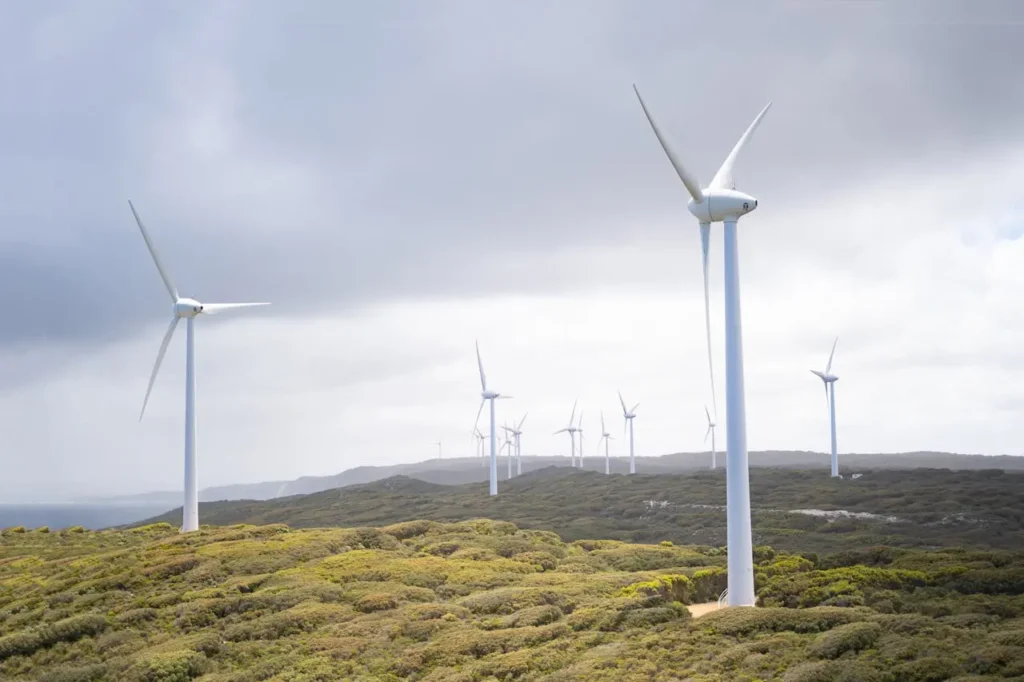
Decarbonization refers to actions aimed at reducing greenhouse gas emissions to combat global warming. Essential in key sectors such as industry, aviation or agriculture, it relies on clean technologies, renewable energies and sustainable practices. Although it presents challenges, decarbonization is essential for a more resilient and environmentally friendly future.
Learn all about decarbonizing the economy

Decarbonizing the economy consists of reducing greenhouse gas emissions by transforming economic models through sustainable practices and technological innovations. It relies on several levers such as renewable energies, energy efficiency and the circular economy.
Decarbonizing industry: an essential lever for a sustainable future
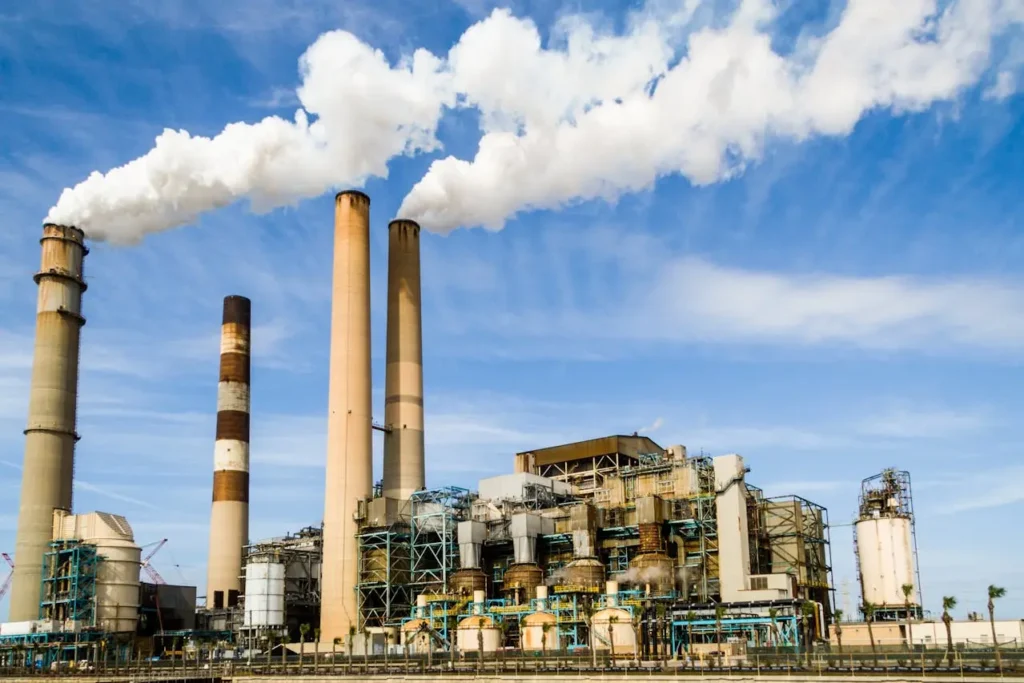
Decarbonizing industry is essential to reduce greenhouse gas emissions, particularly in sectors such as steel, chemicals and cement. It relies on strategies such as the transition to renewable energies, energy optimization and technological innovation.
