
Decarbonizing aviation: challenges and levers

Decarbonizing aviation aims to reduce greenhouse gas emissions through sustainable fuels, innovative technologies, and optimized operations. While this transition poses challenges, it offers opportunities for a more environmentally friendly aviation that is aligned with global climate goals.
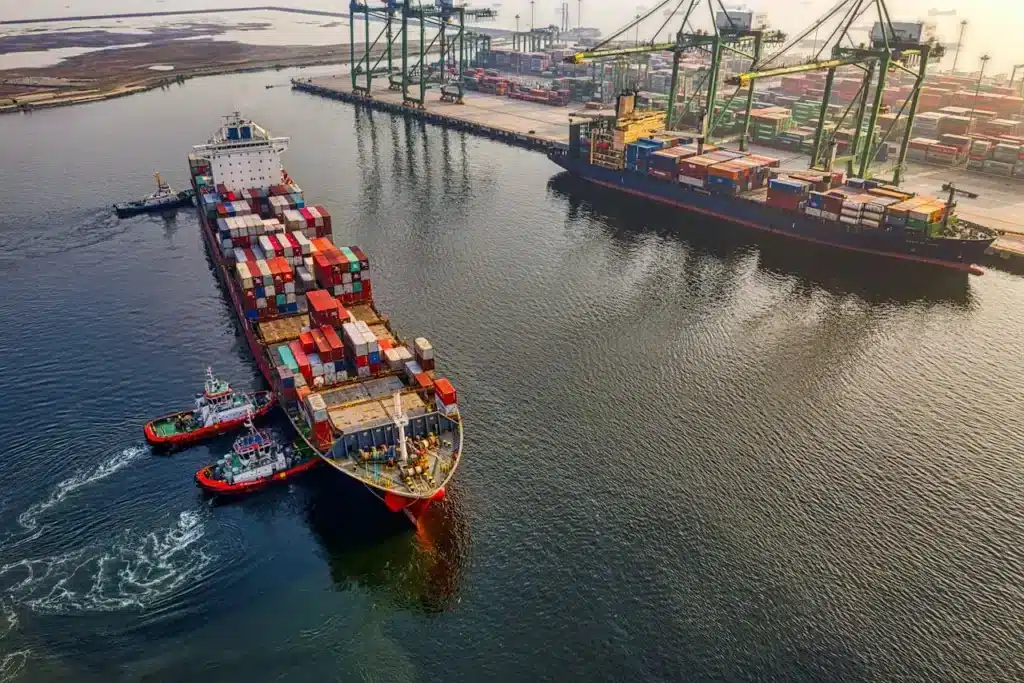
Decarbonization of maritime transport: issues and levers
The national low-carbon strategy (SNBC) of france aims to guide the transition towards a decarbonized economy, with short, medium, and long-term emission reduction targets. The pillars of this strategy include energy transition, energy efficiency, sustainable mobility, and sustainable agricultural and forestry practices. Support policies such as regulations, financial incentives, and research and development initiatives are implemented to achieve these goals. The SNBC is essential for reaching carbon neutrality by 2050.
Building decarbonization: definition and levers

Building decarbonization brings together actions that aim to reduce greenhouse gas emissions from the construction and renovation sector. It relies on several levers such as energy efficiency, renewable energies, and the circular economy, to limit the environmental impact of buildings. This transition is essential to meet climate objectives, improve the sustainability of infrastructures and preserve natural resources.
Zero carbon label: definition and objectives

The zero carbon label is a certification that attests that a product, service or organization achieves a net zero carbon footprint by reducing its greenhouse gas emissions and offsetting residual emissions. This type of label plays a vital role in the fight against global warming and the transition to a carbon neutral future.
Low carbon label: definition and obtaining

The low carbon label is a french certification that promotes projects that reduce greenhouse gas emissions, such as reforestation or sustainable agriculture. It generates carbon credits and attracts funding to support the ecological transition. Despite sometimes complex procedures, this label plays a key role in the fight against global warming and the promotion of sustainable practices.
Eco-score: everything you need to know about this ecological label

The eco-score is an environmental rating system that evaluates the ecological impact of food products, from a (low impact) to e (high impact). It helps consumers make responsible choices and encourages companies to adopt sustainable practices. Although effective in raising awareness of environmental impact, it has limitations related to the complexity of the data and criteria evaluated.
Carbon neutral label: obtaining and importance

The carbon neutral label certifies that an organization, product or service achieves a balance between the greenhouse gas emissions generated and those offset. This label encourages the reduction of emissions, promotes carbon offsetting projects and values the efforts of companies for a reduced climate impact.
Discover sustainable food : trends & issues

The current food system, dominated by intensive agriculture, contributes to the depletion of natural resources, co2 emissions and waste, while leaving nearly a billion people malnourished. Sustainable food, which is respectful of the environment, health and social equity, is based on practices such as plant-based, local and seasonal consumption, and the fight against waste. Adopting a sustainable diet, even gradually, reduces environmental impact and improves health. Companies have a crucial role to play in integrating these principles into their CSR policies and day-to-day food practices.
Eco-labels and certifications: our complete guide

Eco-labels and certifications guarantee environmentally friendly practices for products, services, and organizations. They help reduce the ecological impact, raise consumer awareness, and promote sustainable practices. Thanks to these labels, companies and individuals can make more informed choices for a more responsible and sustainable future.
