
Carbon footprint consultants: the experts in the field.

Carbon footprint consultants play a vital role in managing companies’ greenhouse gas emissions.
This article explores their missions and functions. Whether working internally or externally, these carbon consultants provide essential expertise for developing effective sustainability strategies that comply with regulations.
Practical guide to successful tendering in 2025

This guide takes you step by step through a successful call for tenders in 2025. it details the types of calls for tenders, selection criteria, how to compile the application, draft the technical brief, and how to incorporate a carbon footprint, which has become a real differentiating asset. you’ll also find an operational checklist to structure your response and maximize your chances of winning a call for tenders.
Energy performance contract (EPC)
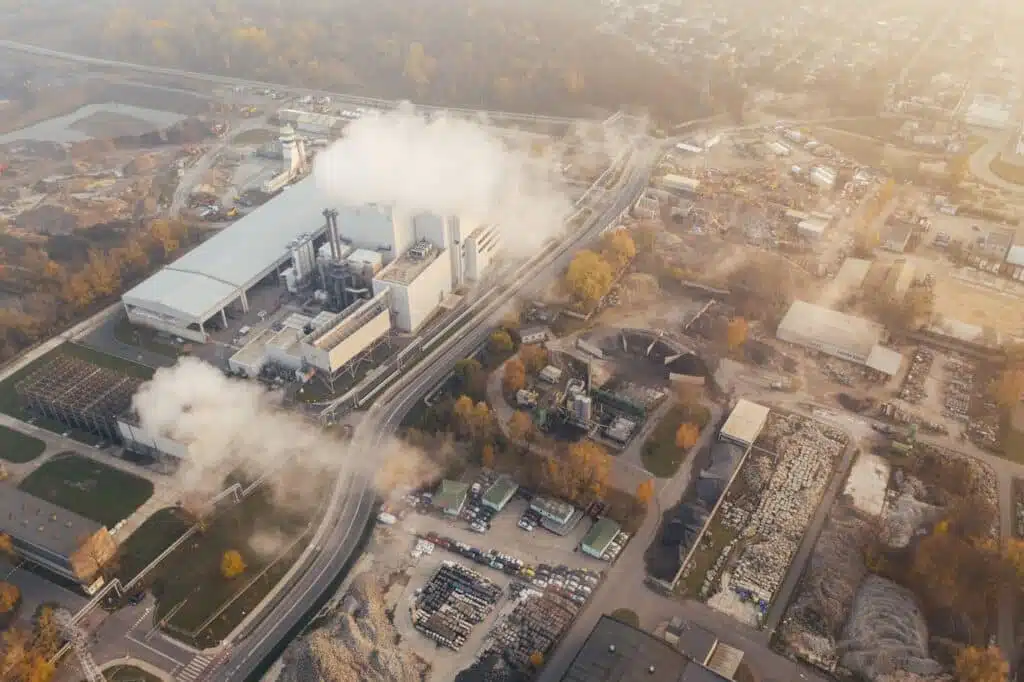
The energy performance contract (EPC) is an agreement committing a service provider to guaranteeing measurable energy savings for a building. It combines construction, maintenance, and performance monitoring, with a commitment to results. A key tool in the energy transition, the EPC optimizes costs, reduces greenhouse gas emissions, and enhances the value of assets.
Everything you need to know about the circular economy

The circular economy is a sustainable economic model that aims to limit waste and reduce environmental impact by promoting reuse, repair, and recycling. Unlike the linear economy, it is based on a closed-loop logic, valuing waste as a resource. It contributes to reducing greenhouse gas emissions and strengthens business resilience.
CSRD vSME omnibus pack : all you need to know to be compliant

The omnibus law reshuffled the landscape of sustainability reporting in europe. Between the CSRD postponement and scope modifications, what does it remain for SMEs falling outside the new scope? discover our new solution, the omnibus pack designed for the post-omnibus era.
Energy efficiency: definition, challenges and levers for action
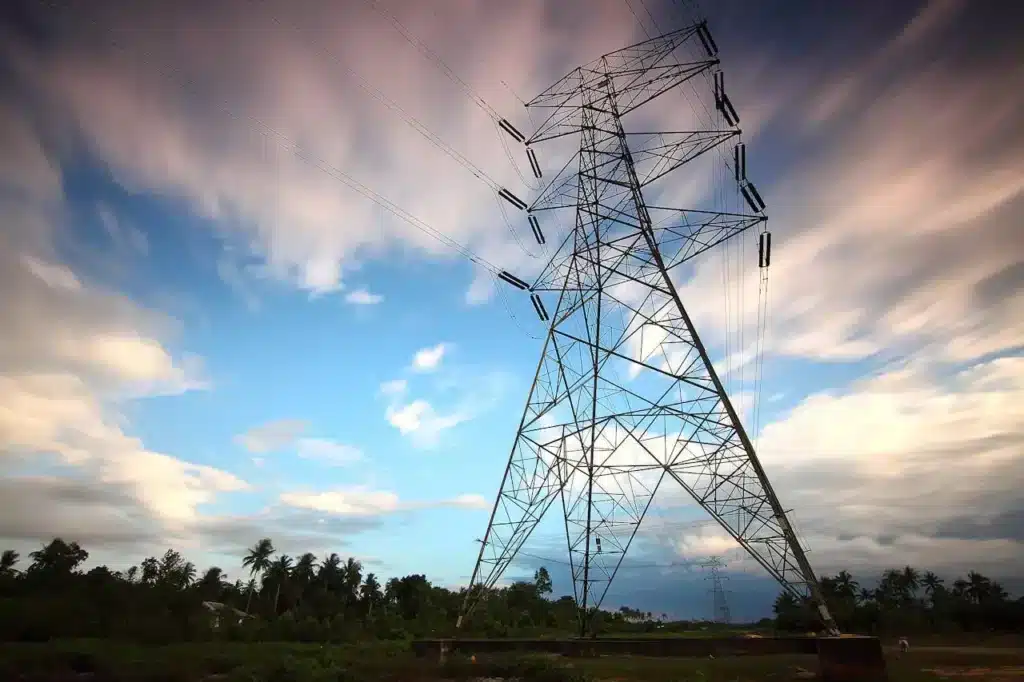
Energy efficiency means using less energy to deliver the same service, without compromising comfort or performance. It plays a key role in the ecological transition by reducing greenhouse gas emissions, energy dependency, and costs.
Digital sobriety: reducing the ecological impact of digital technology

Digital sobriety aims to reduce the environmental impact of digital technologies by adopting more responsible usage habits. Contrary to popular belief, digital technology has a very real carbon footprint, linked to the manufacturing of devices, their daily use, and their end of life. Both businesses and individuals can take action by extending the lifespan of equipment, limiting unnecessary usage, and optimizing data management.
Decarbonization of transport: challenges and solutions

The decarbonization of transport aims to reduce the sector’s greenhouse gas emissions by focusing on electrification, alternative fuels, and sustainable mobility. This decarbonization affects all modes of transport and involves public authorities, businesses, and citizens. In both france and belgium, support and initiatives are available to support this transition. Decarbonization is an essential lever for achieving carbon neutrality, improving air quality, and building more resilient and inclusive mobility.
Carbon: role, impact and environmental issues
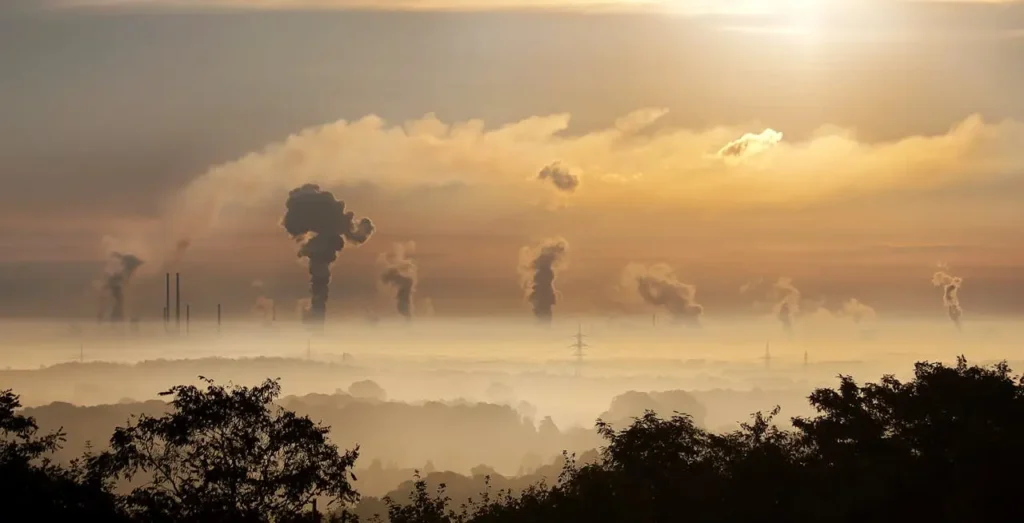
Carbon is an essential element for life, but its excess in the form of co₂ significantly contributes to global warming. Fossil fuels, agriculture, and deforestation are the main sources of carbon emissions. To mitigate its impact, transitioning to low-carbon energy, carbon sequestration, and international actions are necessary.
Renewable energy: definition, types and benefits for the future

Renewable energies (solar, wind, hydroelectricity, biomass, geothermal) are inexhaustible energies that allow to reduce co₂ emissions. Their adoption increases thanks to technological advances and international policies. Despite challenges such as intermittency and initial cost, they play a key role in the global energy transition.
