
Scope 2: GHG protocol guidance

The GHG protocol is internationally recognized standard for accounting for companies’ greenhouse gas (GHG) emissions. Under the GHG protocol, emissions are classified into three categories, called “scopes” . Scope 2 covers indirect emissions linked to the purchase and consumption of electricity, heat and cooling.
Scope 2: market-based emissions vs. location

Scope 2 of the carbon footprint focuses on indirect emissions from electricity consumption, but there are two approaches to calculating these emissions: market-based and location-based.
The market-based method takes into account a company’s specific energy choices, while the location-based method assesses emissions according to the average emissions intensity in the region of consumption.
Each method has its advantages and disadvantages, and the choice depends on the company’s objectives and resources.
GHG protocol: scope 1

The GHG protocol is a key global standard for assessing and managing corporate greenhouse gas (GHG) emissions. Divided into three ‘scopes’, it covers organisations’ direct emissions, including those in scope 1, which includes fuel combustion. It provides methodologies and emission factors for accurate carbon assessments.
Scope 1: what are the different categories?

Scope 1 is a central element of a company’s carbon footprint, focusing on the direct greenhouse gas emissions it generates. it breaks down into several categories, including stationary, mobile, industrial process and fugitive emissions.
Accurate classification of these emissions is crucial for optimizing reduction strategies, reinforcing corporate credibility, ensuring regulatory compliance and avoiding errors in carbon footprint calculations.
Scope 1 2 3: what are the perimeters of a carbon footprint?

In a world facing new climate challenges, the carbon footprint is crucial for quantifying organizations’ greenhouse gas emissions.
Discover scope 1 2 3, which encompass different categories of emissions. Each scope presents specific calculation methods, from the easiest to the most complex.
Free carbon accounting software: which one to choose?
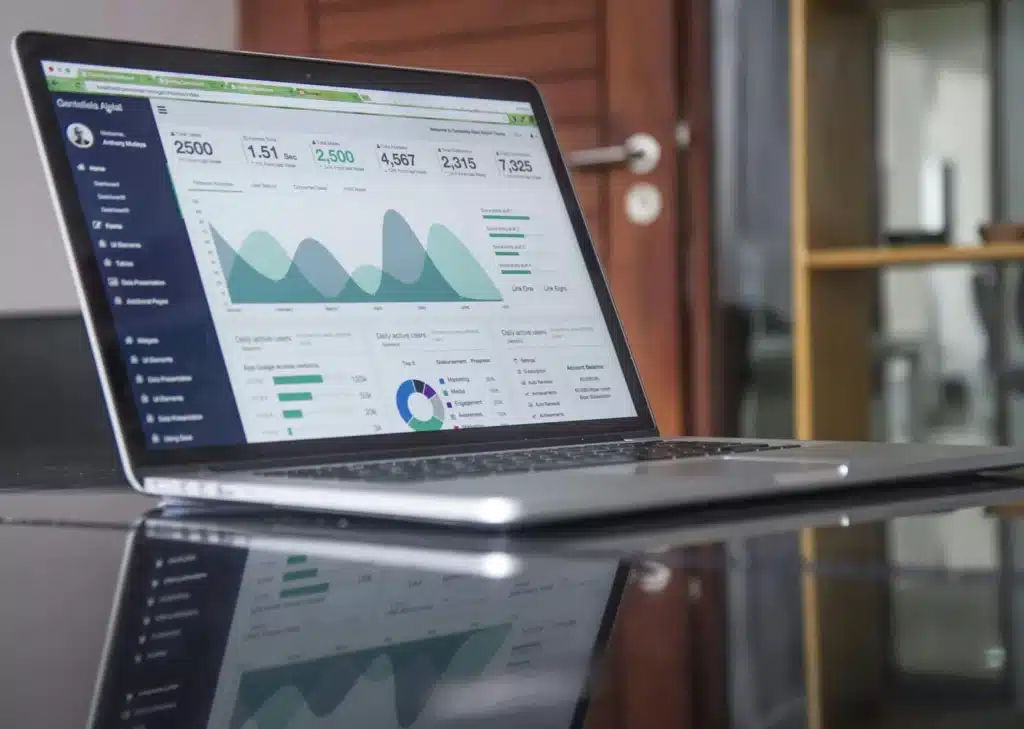
This article evaluates the effectiveness of free carbon assessment software for individuals and businesses, highlighting their advantages and limitations. Although they raise awareness and advise on reducing the environmental footprint, they lack functionality, data history and accuracy. In comparison, paid solutions like d-carbonize offer comprehensive data collection, greater accuracy and expert support to implement GHG emissions reduction strategies.
How much does a carbon footprint calculator cost?

The price of a carbon footprint software package varies according to a number of factors, including its functionality and the level of support it offers.
some basic programs may be free, while more advanced solutions can cost several hundred or thousands of euros per year. it’s essential to take into account your company’s specific characteristics, such as size, activities and objectives, when choosing the most suitable solution.
furthermore, additional support, such as consulting and support services, can be invaluable in ensuring successful software implementation. investing in the right carbon management software is essential to steer your company towards sustainability and reduce its carbon footprint.
Should you assess your carbon footprint using excel?

The carbon footprint, an essential tool for quantifying and reducing greenhouse gas emissions, often raises the question of the use of excel for its realization. although widely used by carbon consultants for data entry and initial projections, excel has limitations in terms of functionality and analysis capabilities. software dedicated to carbon footprinting offers significant advantages, including more accurate calculations, greater scalability and advanced projection and integration features with corporate management systems.
What certifications are available for carbon footprint calculators?

Choosing certified carbon footprint calculators is crucial for companies wishing to quantify and reduce their greenhouse gas emissions. Certifications such as ADEME’s bilan carbone, GHG protocol, ISO 14064 and PAS 2050 guarantee compliance with international carbon accounting standards.
Certified software offers greater reliability, accuracy and credibility in emissions calculations, reinforcing a company’s environmental commitment and competitive edge.
Carbon footprint: is it legally required?

The article explores the question of whether carbon footprint reporting is legally required, outlining regulations in europe and particularly in france. it delves into the distinction between carbon footprint and greenhouse gas (GHG) emissions assessments, as well as the requirements and potential sanctions for non-compliance. furthermore, it highlights the importance of using carbon accounting software like d-carbonize to ensure regulatory compliance and reduce emissions effectively.
