
Why develop your own carbon footprint calculator?
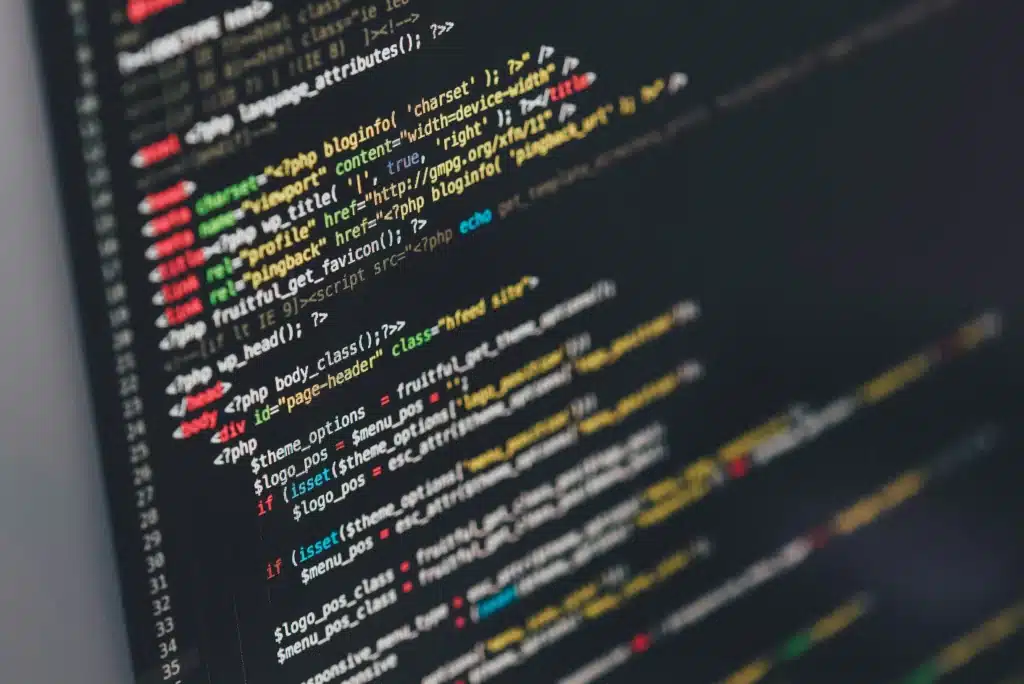
The development of customized carbon footprint software offers companies several advantages and challenges.
On the one hand, it enables precise adaptation to the company’s specific needs, direct integration into its information system, and the possibility of evolution according to future requirements.
However, this approach requires exhaustive data collection, specific technical expertise and significant investment in terms of resources, time and costs.
What’s more, with the growing urgency of complying with regulations such as Europe’s CSRD directive, in-house development of such software can prove time-consuming and difficult to achieve within the given timeframe.
Top 5 free carbon footprint calculators in 2026

Introduction Some carbon footprint calculators are available free of charge to individuals and organisations. These solutions help users to become more aware of their impact on the climate and provide guidelines for making more environmentally-friendly choices. However, these free solutions have major limitations, since many features are restricted. For example, some emission items are excluded […]
What is a carbon footprint tool and how does it work ?
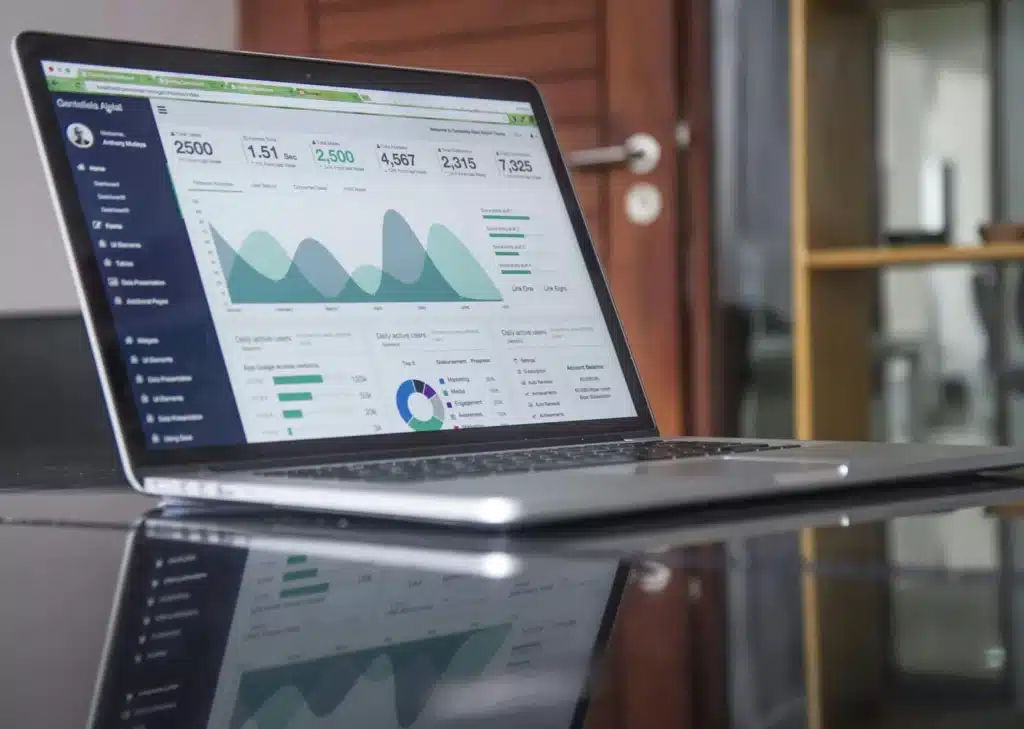
Carbon footprint software is an indispensable tool for companies wishing to measure and reduce their environmental impact. By enabling precise calculation of greenhouse gas emissions, it provides a clear view of the contribution of each activity to the organization’s overall carbon footprint.
Thanks to its advanced features, it helps to identify areas for potential improvement and to develop effective strategies for reducing emissions. From data collection to results analysis, communication and progress monitoring, carbon footprint software simplifies and optimizes the environmental management process.
How is a carbon footprint assessed?

The process of carrying out a carbon audit is a crucial step for businesses, whether by legal obligation or as part of their environmental commitment. Comprised of five main steps, this process aims to locate and analyze greenhouse gas (GHG) emissions and then reduce them. The steps include defining the scope of the calculation, collecting data on emitting activities, using this data, defining an action plan, and finally communicating this plan.
How long does it take to assess a carbon footprint?

The time required to carry out a carbon footprint varies according to several factors, such as the size of the company, its sector of activity and the involvement of a specialist.
Generally speaking, it can take between 5 days (for a small service company) and 60 days (for a large company with several sites). Data collection is the most time-consuming phase, but methods such as using aggregated databases or the balance sheet can speed up the process, although their reliability may be limited.
Using an experienced specialist or training an in-house employee in the use of software can also reduce the time required.
Carbon footprint calculator: which one to choose?

Against a backdrop of increasingly stringent environmental regulations, choose of carbon footprint software for a company is of crucial importance.
This choice must take into account criteria such as ease of use, collaboration, data security and results compliance, depending on the company’s specific needs and organizational characteristics.
Essential features include secure data storage, collaborative data collection, results compliance and scope 3 support. The software selected must provide reliable and valid results, in line with recognized carbon accounting standards.
Carbon footprint calculators: what are their benefits?

Carbon footprint calculator offers many benefits to companies in their quest for sustainability.
They simplify data collection and analysis, deliver rapid results and help internalize the skills required for effective emissions management. What’s more, they help optimize costs and improve brand image.
With D-Carbonize, companies can accurately measure their carbon impact, generate compliant and secure reports, and benefit from expert support in developing emission reduction strategies.
How much does a carbon accounting cost?

Carrying out a carbon accounting is essential for organizations wishing to understand and improve their environmental impact. On average, the price of a carbon accounting varies from €2,000 to €10,000, depending on factors such as the size of the company and the complexity of its activities. To reduce costs, public subsidies are sometimes available, and it is possible to use monetary data or to internalize data collection. The latter option requires expertise, but can be cost-effective in the long term. Ultimately, the cost of a carbon accounting depends on available resources, in-house expertise and the company’s budget.
What is carbon accounting?

Carbon Accounting is total sum of all the greenhouse gas (GHG) emissions generated by the direct and indirect activities of an organisation or company.
Why carry out a carbon footprint assessment?

Carbon footprint assessment gives organizations a clear picture of their CO2 emissions, helping them to reduce their environmental impact.
In addition to complying with legal obligations, this approach improves competitiveness, reduces operating costs and enhances the attractiveness of the company to talent. By anticipating future regulations, companies can get a head start in adopting more sustainable practices.
In short, carrying out a carbon footprint goes far beyond legal compliance; it’s a powerful lever for more responsible management and better overall performance.
