
Persefoni: carbon footprint software – analysis and reviews

Persefoni is a carbon management software that helps companies measure, analyze and reduce their emissions, especially on scopes 1, 2 and 3. With advanced features such as ai integration and reporting tools compliant with international standards, it meets regulatory requirements while facilitating decarbonization.
Plan a: carbon footprint software – analysis and reviews

Plan a is a carbon management software designed to support companies in their ecological transition thanks to powerful tools that comply with international standards. It allows you to collect, analyze and reduce greenhouse gas emissions while meeting regulatory requirements such as the CSRD. With dedicated support and advanced features, it helps organizations transform their climate commitment into a strategic advantage.
Tennaxia: carbon footprint software – analysis and reviews

Tennaxia is a carbon management software designed to measure, analyze and reduce the environmental footprint of companies, while meeting international standards such as the GHG protocol and the CSRD. Its platform, combined with dedicated support, helps to develop decarbonization trajectories and produce compliant reports. Although effective, the software can be complex for small organizations and requires an investment to fully exploit its advanced features.
Traace: carbon footprint software – analysis and reviews

Traace is a carbon management software designed to measure, analyze and manage greenhouse gas emissions, while aligning business strategies with climate goals like SBTi and net zero.
Sustainable development: a complete guide

Sustainable development is based on a balance between environmental preservation, economic growth and social equity, based on key principles such as reducing the ecological footprint and the circular economy. In the face of global challenges such as climate change and inequality, it offers solutions that engage governments, businesses and citizens. By integrating responsible practices, everyone can contribute to a more sustainable and harmonious future.
Sustainable agriculture: for responsible food
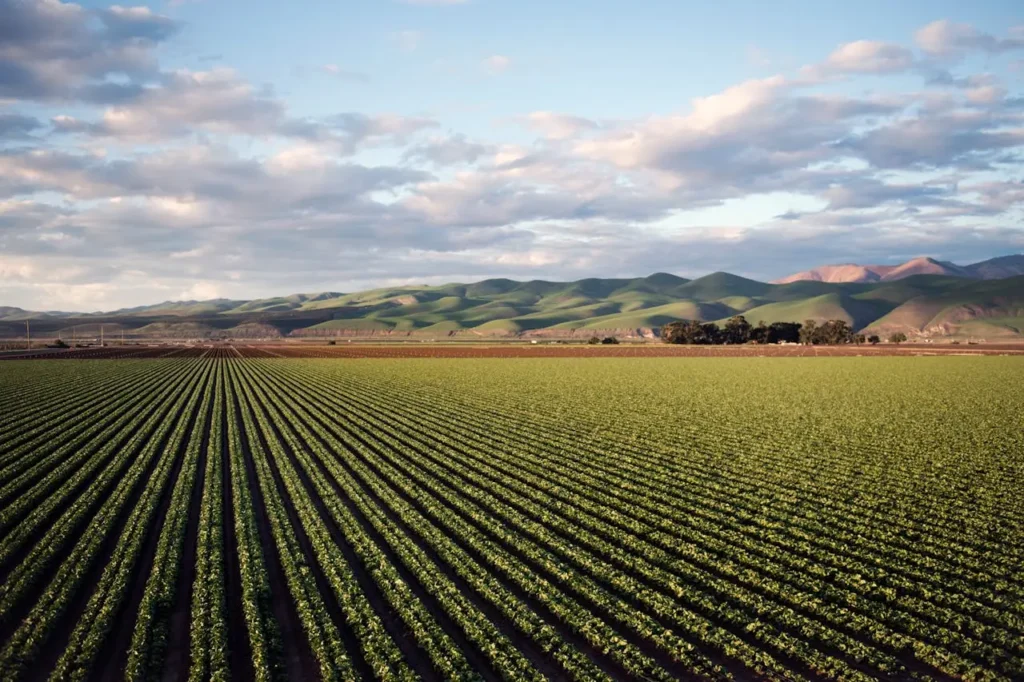
Sustainable agriculture aims to reconcile agricultural productivity, respect for the environment, and social well-being. It is based on ecosystem-friendly practices, such as crop rotation and agroforestry, while integrating modern technologies to optimize yields. This model also supports farmers and ensures healthy food for future generations.
Sustainable development: the 3 pillars for a balanced future

Sustainable development is based on three fundamental pillars: environmental, economic and social, which must be balanced to ensure a viable future. It aims to preserve ecosystems, promote responsible economic growth and ensure social equity.
Sustainable tourism: travel differently

Sustainable tourism aims to reconcile the pleasure of traveling with respect for the environment, local cultures, and regional economies. It encourages responsible practices, such as reducing the ecological footprint, supporting local economies, and promoting the traditions of the communities visited.
Sami: carbon footprint software – analysis and review

Sami is a complete software to measure and reduce the carbon footprint of companies, suitable for medium and large structures. With many features and effective, it can be complex and expensive for small businesses.
Grants and subsidies in the united states
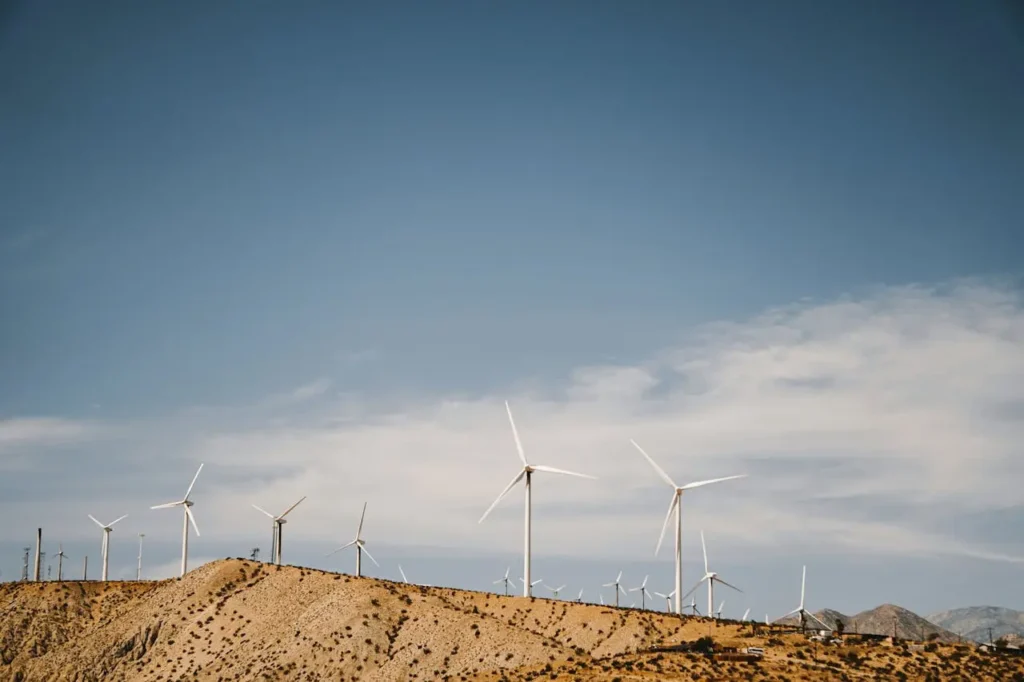
The united states offers various grant and tax incentive programs to encourage the energy transition, sustainable mobility, and eco-friendly practices of businesses and communities. Federal and state grants support the adoption of renewable energy, the purchase of clean vehicles, and the improvement of energy efficiency. These initiatives aim to reduce co2 emissions and promote green solutions throughout the country.
