
Scope 4: how do avoided emissions work?
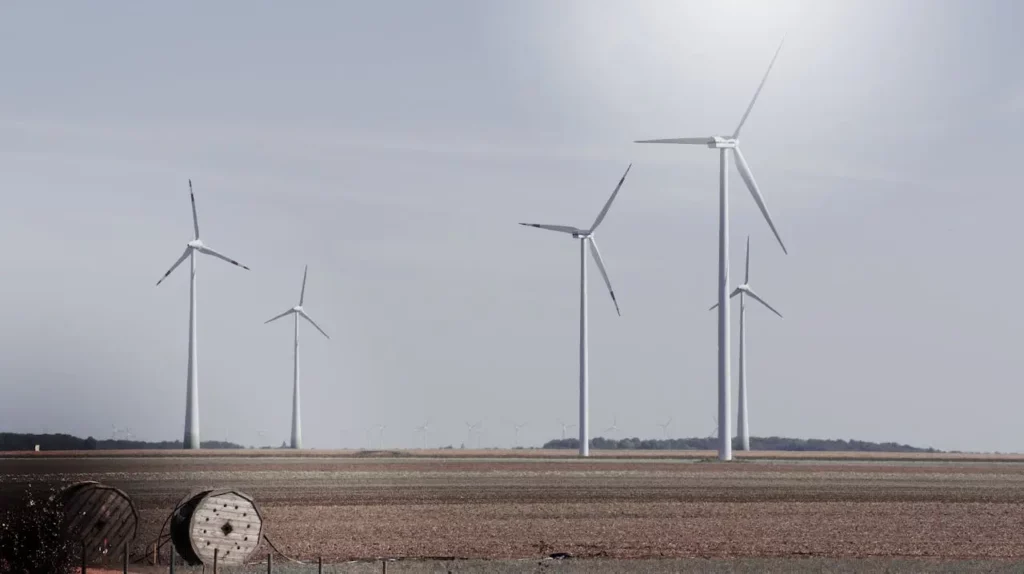
While scopes 1, 2, and 3 are well-known perimeters of the carbon footprint, scope 4 remains relatively unknown. This scope represents the avoided emissions.
Scope 4: the net zero initiative guide
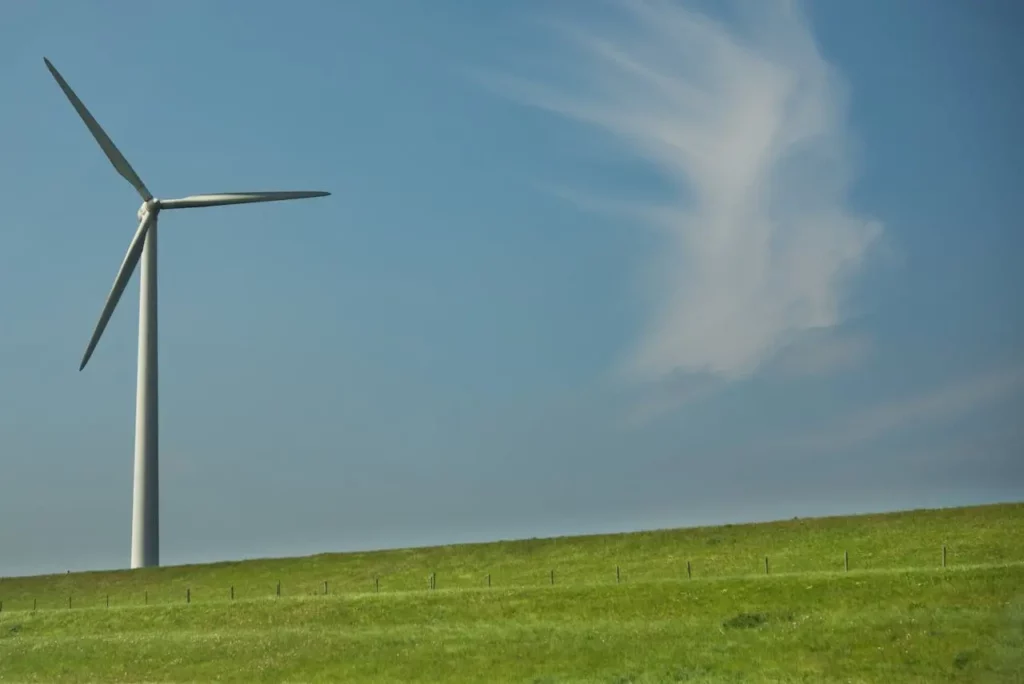
Scope 4, also known as avoided emissions, is a key component of the net zero initiative, a strategy aimed at achieving carbon neutrality. In this article, explore how scope 4 works, its integration into the net zero initiative, and the essential steps to significantly reduce greenhouse gas (GHG) emissions.
Scope 1: what are the calculation methods?

Managing greenhouse gas (GHG) emissions is crucial for companies concerned about their environmental impact. Scope 1, which includes direct emissions, requires a precise calculation methodology to ensure data reliability. In this article, explore the different methods for calculating scope 1 emissions, their importance, and how companies can implement them effectively.
Scope 2: examples of emissions

Scope 2 of the carbon footprint includes indirect emissions related to the consumption of energy purchased by a company, such as electricity, heat, and steam. Understanding these sources of emissions is essential for reducing an organization’s overall carbon footprint. In this article, discover the different sources of scope 2 emissions and concrete examples from various sectors.
Scope 2: indirect emissions related to energy

Scope 2 of the carbon footprint represents indirect emissions related to energy purchased by a company, such as electricity, heat, and steam. These emissions are produced by energy suppliers but are attributed to the consuming company. Understanding and managing these emissions helps reduce the overall carbon footprint. By using precise calculation methodologies and adopting sustainable practices, companies can improve their energy performance and enhance their brand image.
Scope 2: what are the calculation methods?

A good understanding of scope 2 emission calculations is essential for companies conducting a carbon footprint assessment. To calculate the emissions of scope 2, there exists 2 different methods: location-based or market-based method.
