
Discover sustainable food : trends & issues

The current food system, dominated by intensive agriculture, contributes to the depletion of natural resources, co2 emissions and waste, while leaving nearly a billion people malnourished. Sustainable food, which is respectful of the environment, health and social equity, is based on practices such as plant-based, local and seasonal consumption, and the fight against waste. Adopting a sustainable diet, even gradually, reduces environmental impact and improves health. Companies have a crucial role to play in integrating these principles into their CSR policies and day-to-day food practices.
Eco-labels and certifications: our complete guide

Eco-labels and certifications guarantee environmentally friendly practices for products, services, and organizations. They help reduce the ecological impact, raise consumer awareness, and promote sustainable practices. Thanks to these labels, companies and individuals can make more informed choices for a more responsible and sustainable future.
Decarbonizing agriculture: towards sustainable and responsible production
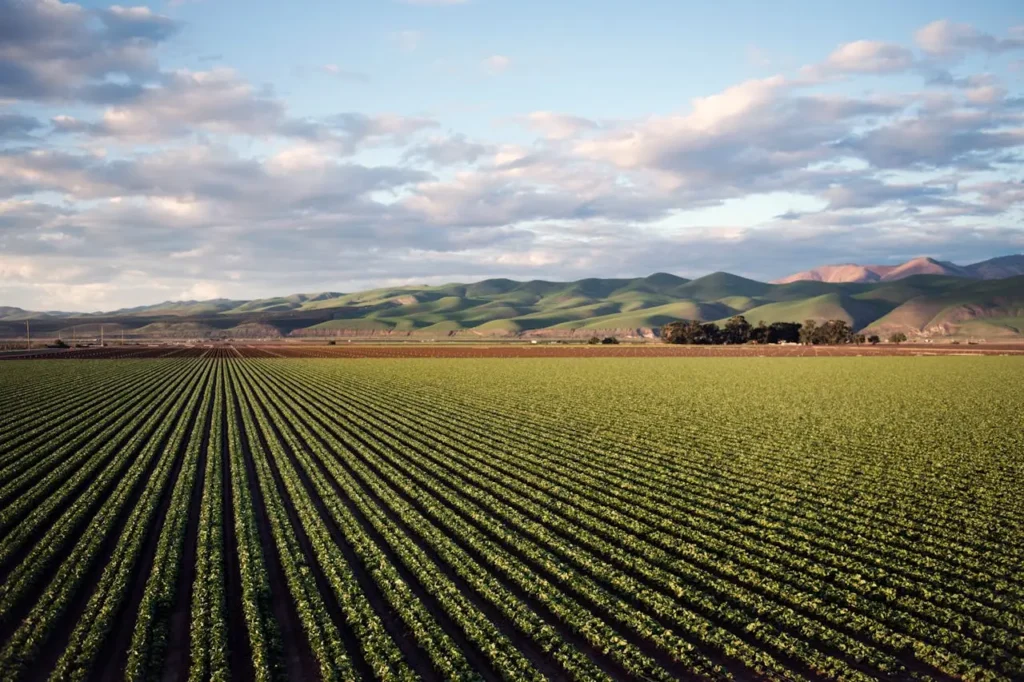
The decarbonization of agriculture aims to reduce greenhouse gas emissions While preserving natural resources and ensuring sustainable food production. It is based on practices such as agroecology, the reduction of chemical inputs and the use of innovative technologies.
Corporate decarbonization: reducing emissions for a sustainable future

Decarbonizing businesses aims to reduce greenhouse gas emissions by adopting sustainable practices, such as renewable energy and energy efficiency. It is essential to limit climate impact, meet consumer and investor expectations, and comply with regulatory requirements. Despite some challenges, decarbonization offers many opportunities, including cost reduction and improved brand image.
Everything you need to know about decarbonization
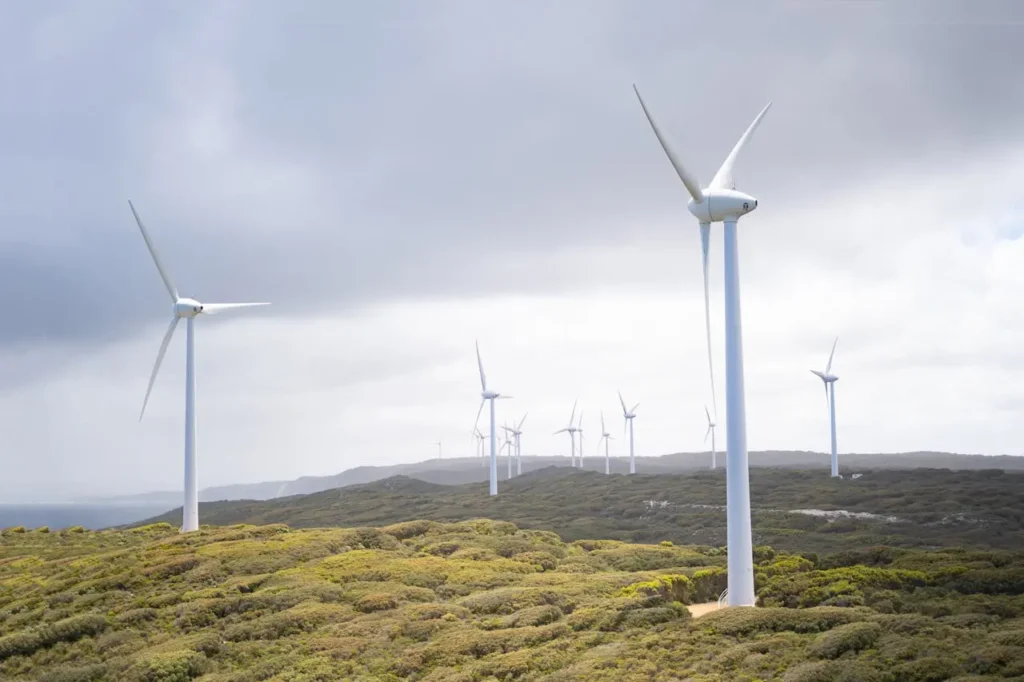
Decarbonization refers to actions aimed at reducing greenhouse gas emissions to combat global warming. Essential in key sectors such as industry, aviation or agriculture, it relies on clean technologies, renewable energies and sustainable practices. Although it presents challenges, decarbonization is essential for a more resilient and environmentally friendly future.
Learn all about decarbonizing the economy
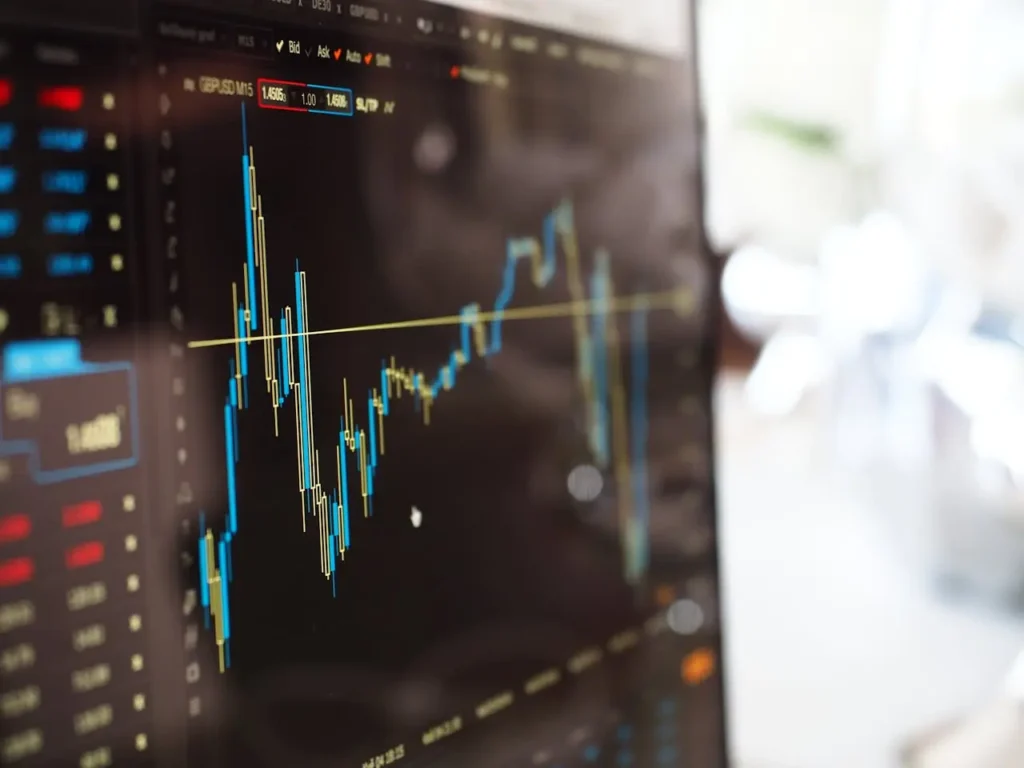
Decarbonizing the economy consists of reducing greenhouse gas emissions by transforming economic models through sustainable practices and technological innovations. It relies on several levers such as renewable energies, energy efficiency and the circular economy.
Decarbonizing industry: an essential lever for a sustainable future
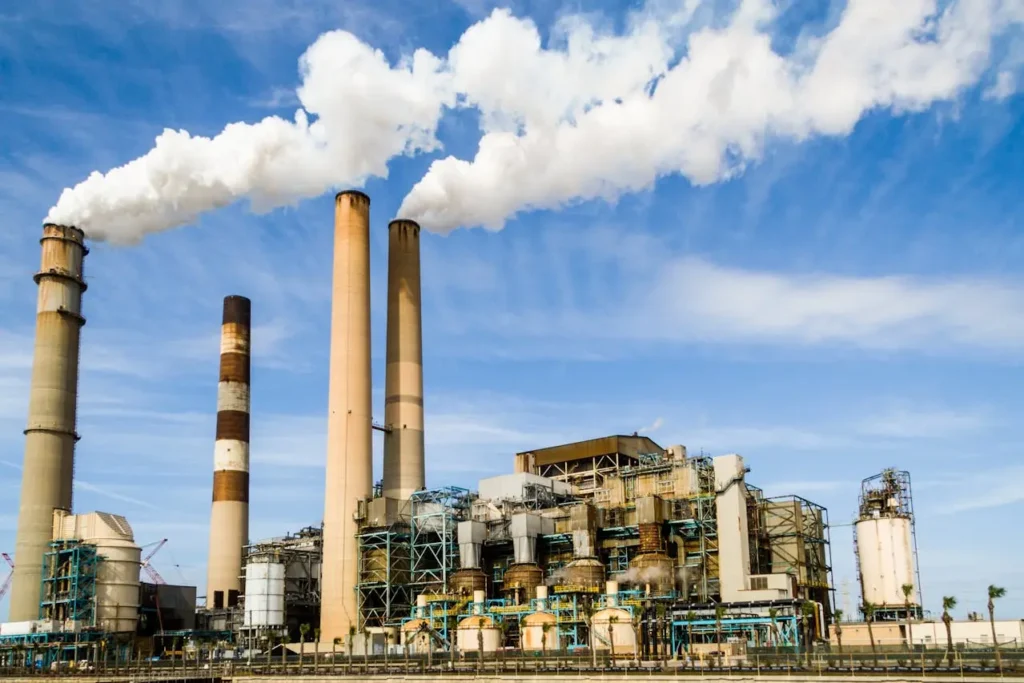
Decarbonizing industry is essential to reduce greenhouse gas emissions, particularly in sectors such as steel, chemicals and cement. It relies on strategies such as the transition to renewable energies, energy optimization and technological innovation.
Future proof: carbon footprint software – analysis and reviews

Future proof is a software designed to support companies in their ecological transition by measuring, analyzing and reducing their carbon emissions. It stands out for its intuitive interface, technological flexibility and affordable price, suitable for small and medium-sized businesses.
Greenly: carbon footprint software – analysis and review

Greenly is a carbon footprint software that helps companies measure, analyze and reduce their carbon footprint, while complying with international standards such as the GHG protocol and CSRD. Although powerful and suitable for organizations of all sizes, its cost and complexity can limit its accessibility for small businesses.
Normative: carbon footprint software – analysis and reviews

Normative is a comprehensive software that helps companies measure, analyze, and reduce their carbon emissions. well-suited for large organizations, it offers advanced tools for climate planning and reporting, while facilitating collaboration with stakeholders.
