Turn industrial carbon into operational and financial performance
Model process emissions. Prioritize CAPEX. Reduce carbon intensity & energy spent.
Industrial companies operate under increasing energy volatility, carbon pricing exposure and regulatory pressure. D-Carbonize connects physical inputs, energy, materials, volumes and assets, to carbon and financial intelligence.
Carbon management moves from reporting compliance to capital allocation intelligence.
< 10-12
Weeks
to establish site-level carbon and process modelling capability
40–60%
Reduction
in time spent on carbon data consolidation and reporting
€/tCO₂
Decision Metrics
to prioritize decarbonization investments and CAPEX decisions
Platform modules measure
Measure
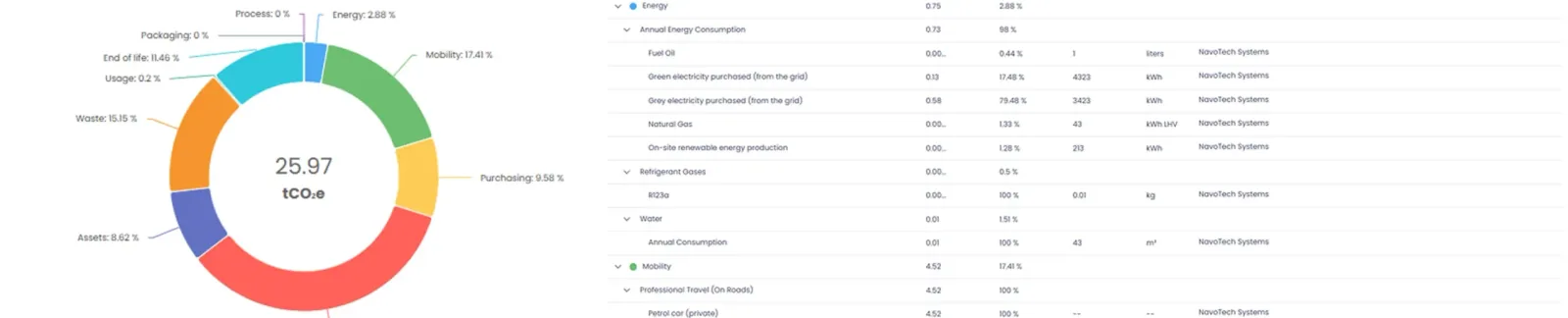
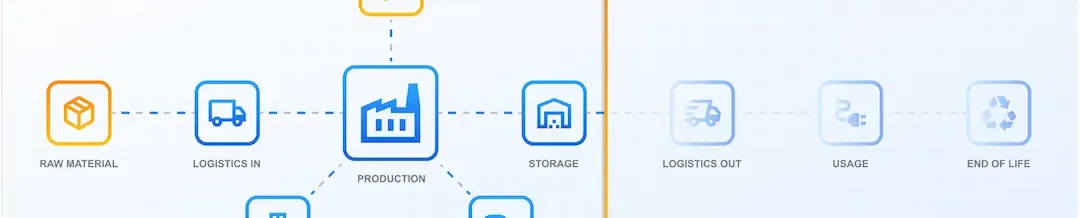
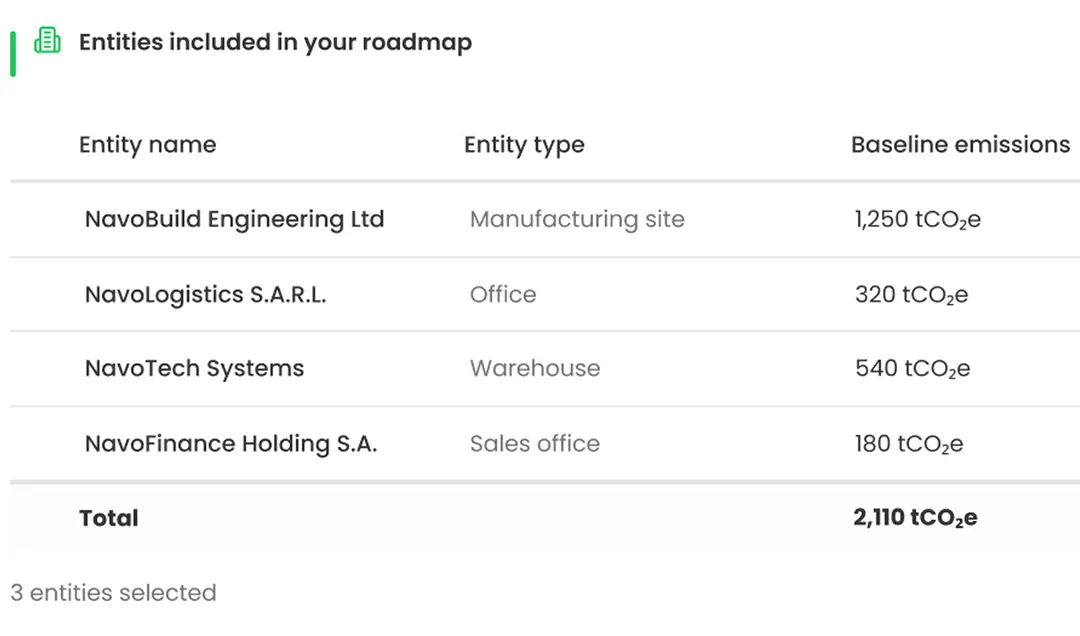
Industrial carbon footprint (Scopes 1, 2 & 3)
Physical modelling
Process-level efficiency and cost optimization
Reduce
Carbon trajectory and investment scenario modelling
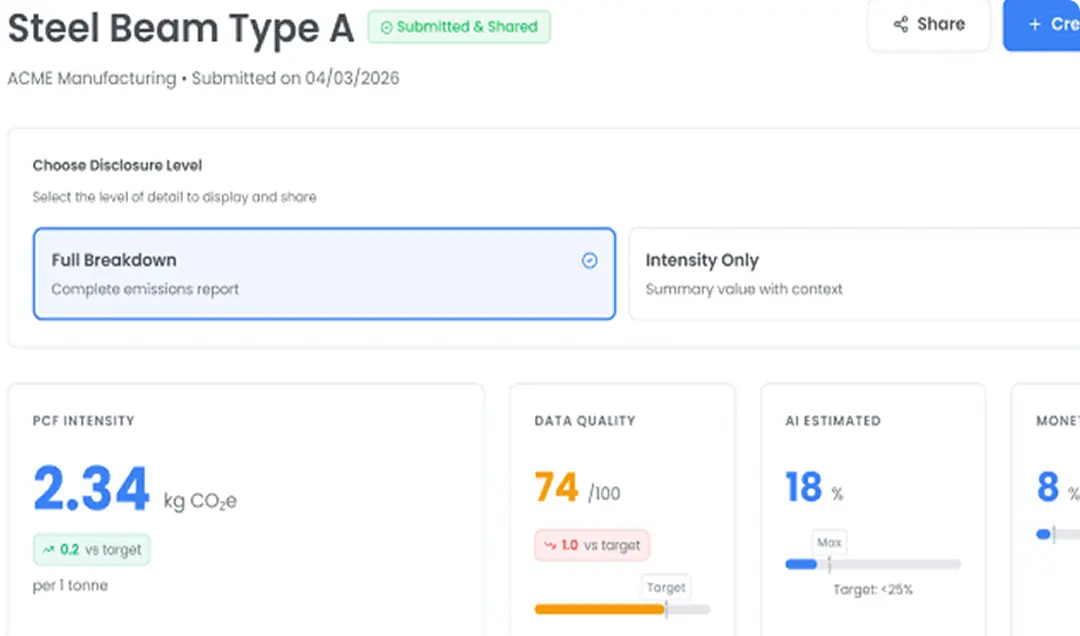
Product (PCF & LCA)
Product competitiveness and market access
Suppliers
Scope 3 and supplier emissions structuring
Why D-Carbonize is Different
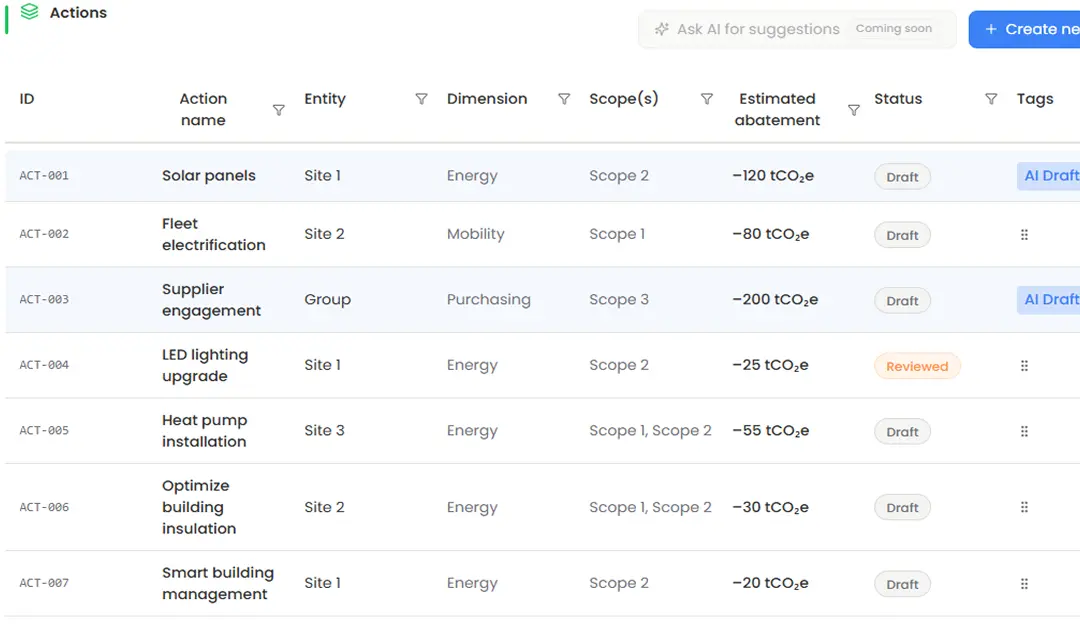
D-Carbonize optimizes your profitability
Process-level granularity
Integrated carbon- financial logic
Scenario modelling before investment
Built for heavy industry complexity
Designed for CFO and COO decision-making
Why they choose us
"With the support of D-Carbonize and their effective, easy-to-use tool, we were able to easily identify our sources of emissions and quickly launch significant carbon reduction initiatives with a real impact."
"Good support to resolve connections problems. Carbon Cockpit is easy to use, implement and to understand."
Virginia Cobo
Head of HSE & Security, BIA
"User friendly, in continuous evolution.
The solution gave us the possibility to manage the carbon footprint of our several production sites."
Nicolas Duvivier
Facilities & Carbon Neutrality Engineer, Aisin
Frequently asked questions
How does D-Carbonize differ from generic ESG reporting tools?
Most ESG tools focus on aggregated reporting.
D-Carbonize operates at process level.
We connect:
Energy flows
Production volumes
Materials
Asset-level inputs
to carbon and financial modelling.
The result is decision intelligence, not just disclosure output.
Can we model different decarbonization investment scenarios?
Yes.
The platform enables scenario-based modelling:
Compare investment options
Quantify € per tCO₂ avoided
Model carbon intensity reduction over time
Stress-test CAPEX allocation decisions
This supports CFO and COO level investment prioritization.
How granular is the emission tracking?
Granularity can go down to:
Process level
Production line
Site
Product (PCF & LCA)
Carbon intensity can be calculated per unit produced, per product family or per business unit.
The level of detail depends on available operational data.
How do you support Scope 3 management in industry?
Scope 3 is addressed through structured supplier data integration.
D-Carbonize enables:
Supplier-level emission structuring
Hybrid estimation models where needed
Product-level footprint integration
Portfolio-wide scope 3 consolidation
This creates traceable and auditable Scope 3 management.
Is the platform compatible with CSRD, SBTi and audit requirements?
Yes.
D-Carbonize supports alignment with:
GHG Protocol (scopes 1, 2 & 3)
CSRD and ESG disclosures
Science-based target trajectories (SBT-aligned)
PCF & LCA requirements
Internal and external audit processes
Data traceability and documentation are built into the modelling logic.
Do we need advanced internal carbon expertise?
No.
The platform is designed for industrial teams (operations, finance, sustainability).
We provide:
Structured methodology
Data modelling guidance
Expert support where needed
The objective is to integrate carbon into operational decision-making, not create additional reporting complexity.
Frédéric John
INDUSTRY Sustainability Expert
TALK TO AN INDUSTRIAL DECARBONIZATION EXPERT
Book a session with an industrial carbon specialist
Frédéric is co-founder of D-Carbonize and Product Owner, bridging carbon expertise with software. He has delivered 150+ carbon footprint and decarbonization projects across industrial sectors (manufacturing, energy, materials). Certified expert and recognized public speaker, he helps companies turn data into ROI-driven decarbonization decisions.