
Excel or carbon software: which one to choose for establishing your carbon footprint?

Choose carbon software for precise and automated reporting, especially if you have complex data. Excel is suitable for small businesses or for simple, occasional analyses.
How to reduce scope 1 emissions ?

To reduce scope 1 emissions, it is essential to identify the sources of direct greenhouse gas (GHG) emissions and implement targeted strategies such as improving energy efficiency, transitioning to renewable energy sources, and optimizing stationary and mobile combustion processes. It is also crucial to manage fugitive emissions by using leak detection and repair systems, and to monitor emissions in real-time with carbon management software like d-carbonize to measure progress and identify opportunities for improvement.
Scope 1: examples of emissions

Scope 1 is a central element of the carbon footprint, encompassing direct emissions such as those from stationary combustion, mobile combustion, industrial processes, and fugitive emissions. To reduce these emissions, companies can improve energy efficiency, switch to renewable energy sources, and effectively manage fugitive emissions. Optimizing vehicle fleets is also crucial by adopting electric or hybrid vehicles and eco-driving practices. By adopting these strategies, organizations can reduce their environmental impact, improve energy performance, and enhance their brand image.
Carbon emissions reduction goal: national low-carbon strategy

The national low-carbon strategy (SNBC) of france aims to guide the transition towards a decarbonized economy, with short, medium, and long-term emission reduction targets. The pillars of this strategy include energy transition, energy efficiency, sustainable mobility, and sustainable agricultural and forestry practices. Support policies such as regulations, financial incentives, and research and development initiatives are implemented to achieve these goals. The SNBC is essential for reaching carbon neutrality by 2050.
Scope 4: examples of emissions included in this scope

Scope 4 of the carbon footprint, focused on avoided emissions, plays a crucial role in reducing greenhouse gases. By implementing renewable energy technologies, innovations in energy efficiency, sustainable mobility solutions, ecological agricultural practices, and advanced waste management, companies can not only reduce their own carbon footprint but also help other actors decrease their emissions. This approach amplifies the positive impact of sustainable initiatives and significantly contributes to the fight against climate change.
How to reduce a company’s carbon emissions ?
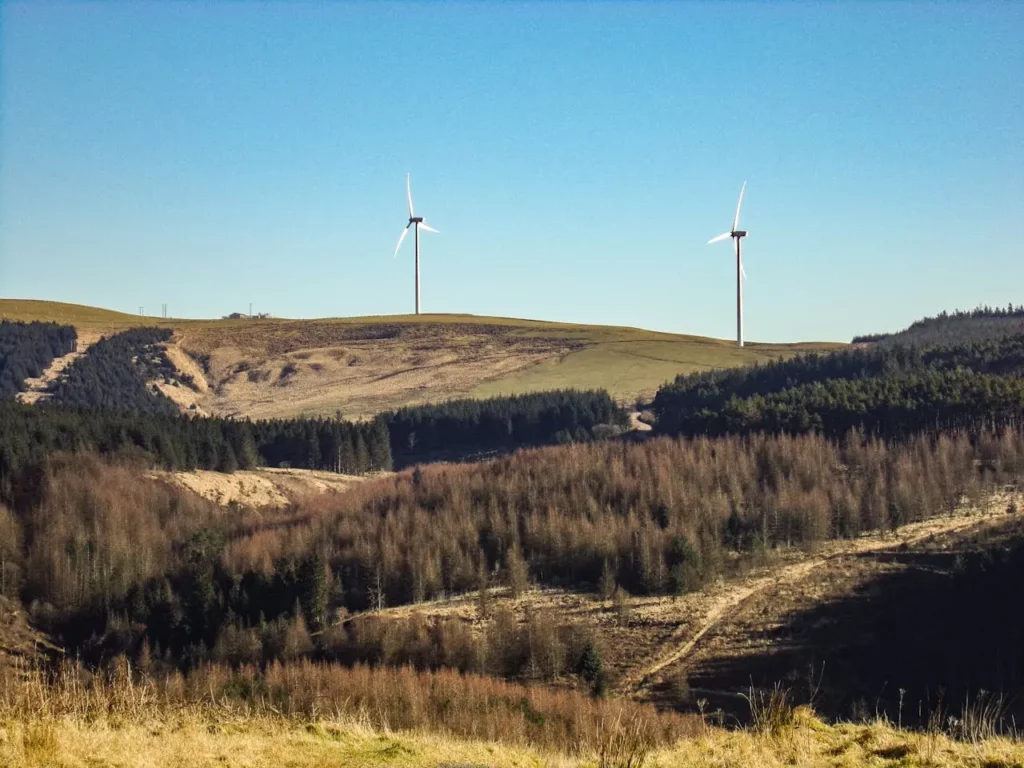
To reduce a company’s carbon emissions, it is crucial to optimize energy efficiency, switch to renewable energy sources, and improve production processes. Managing the supply chain and promoting sustainable mobility are also essential. Finally, raising employee awareness and using carbon management software help identify and implement effective reduction strategies.
Scope 4: how do avoided emissions work?
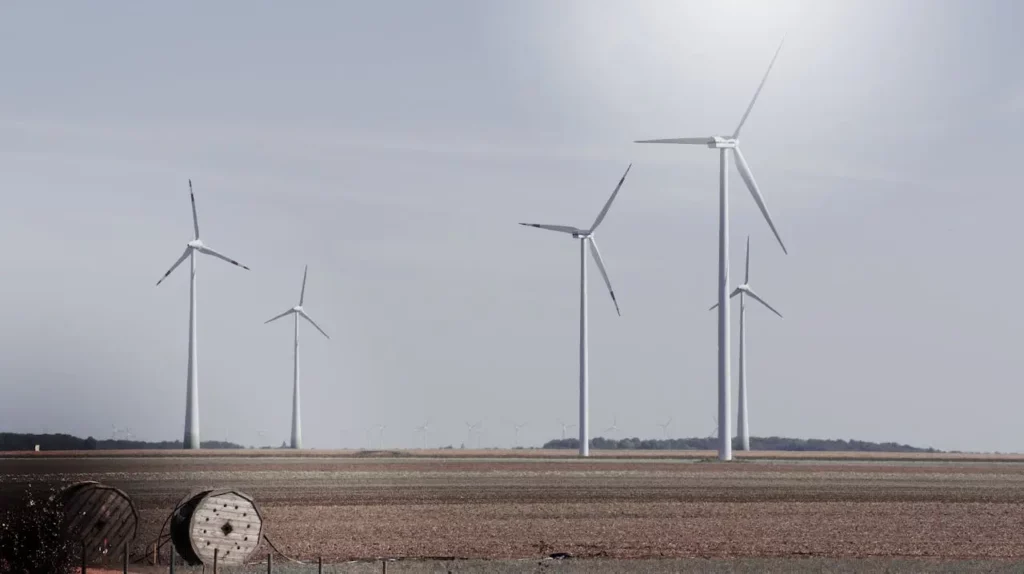
While scopes 1, 2, and 3 are well-known perimeters of the carbon footprint, scope 4 remains relatively unknown. This scope represents the avoided emissions.
Scope 4: the net zero initiative guide

Scope 4, also known as avoided emissions, is a key component of the net zero initiative, a strategy aimed at achieving carbon neutrality. In this article, explore how scope 4 works, its integration into the net zero initiative, and the essential steps to significantly reduce greenhouse gas (GHG) emissions.
Scope 1: what are the calculation methods?

Managing greenhouse gas (GHG) emissions is crucial for companies concerned about their environmental impact. Scope 1, which includes direct emissions, requires a precise calculation methodology to ensure data reliability. In this article, explore the different methods for calculating scope 1 emissions, their importance, and how companies can implement them effectively.
Scope 2: examples of emissions

Scope 2 of the carbon footprint includes indirect emissions related to the consumption of energy purchased by a company, such as electricity, heat, and steam. Understanding these sources of emissions is essential for reducing an organization’s overall carbon footprint. In this article, discover the different sources of scope 2 emissions and concrete examples from various sectors.
